History
A mother, a door, a town.
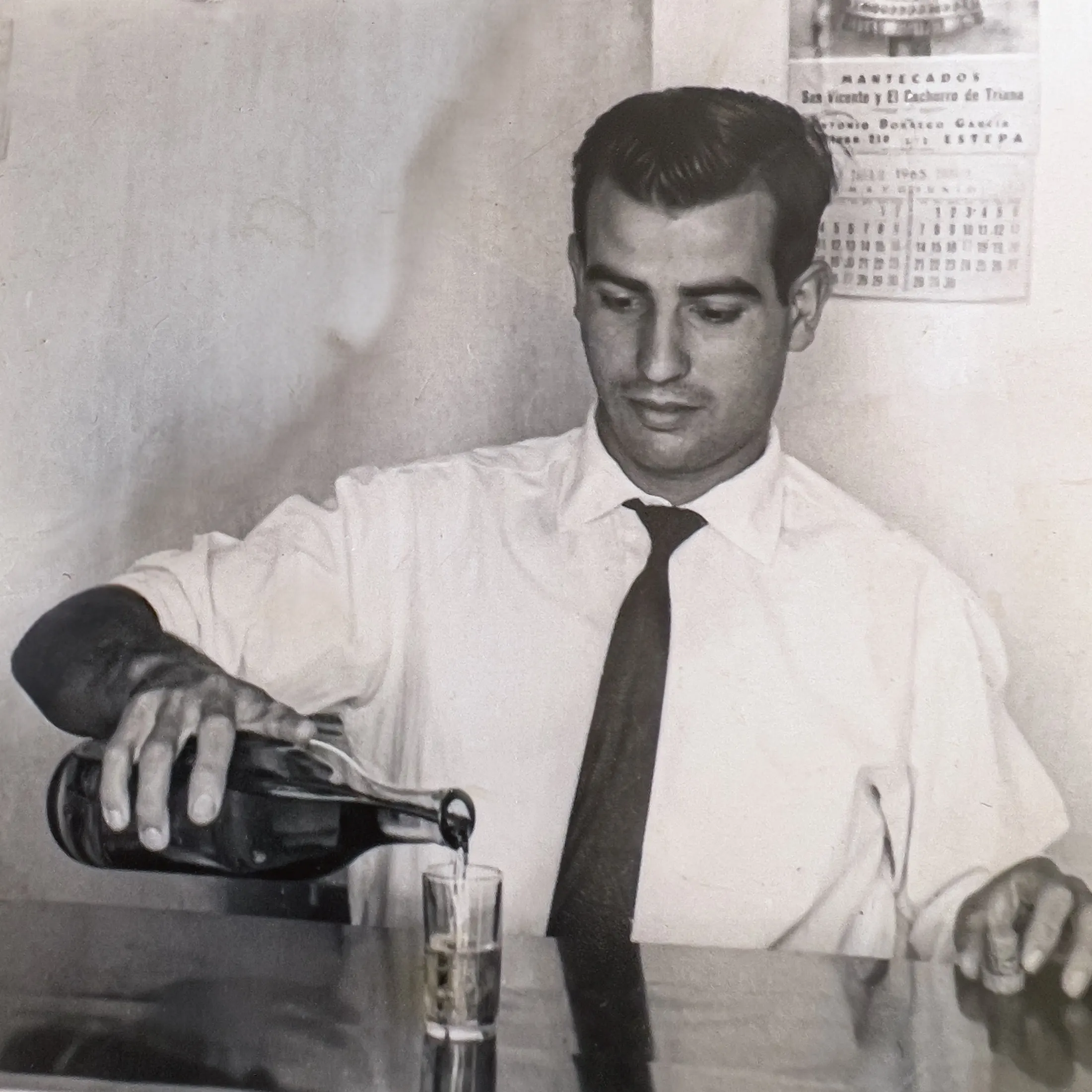
La Palma was not founded: it was opened. One morning in 1964, an eighteen-year-old raised the shutter of a small bodega on calle Terraza and wrote his mother’s surname above the door. Everything that has happened since fits in that sentence.
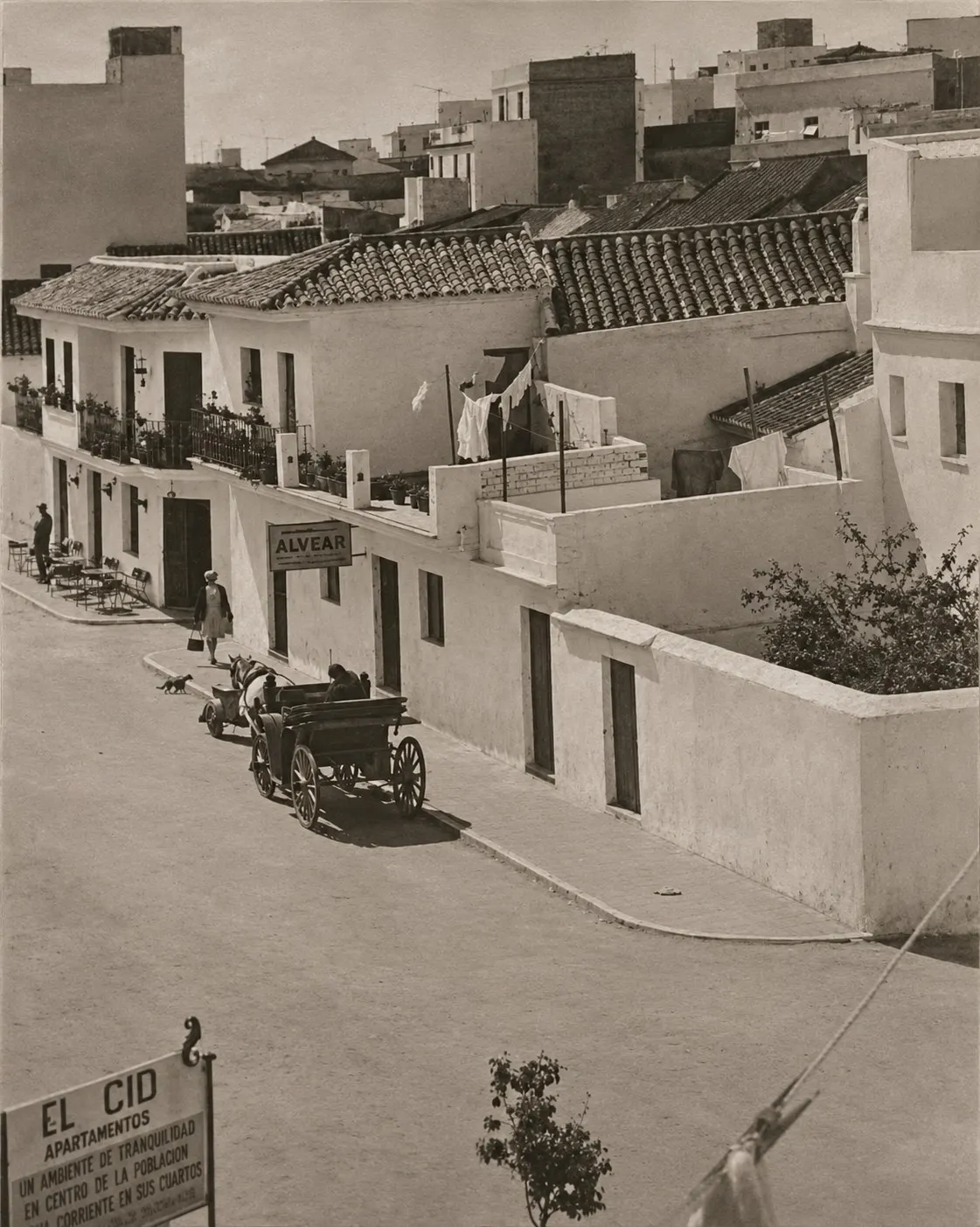
1964. A modest door.
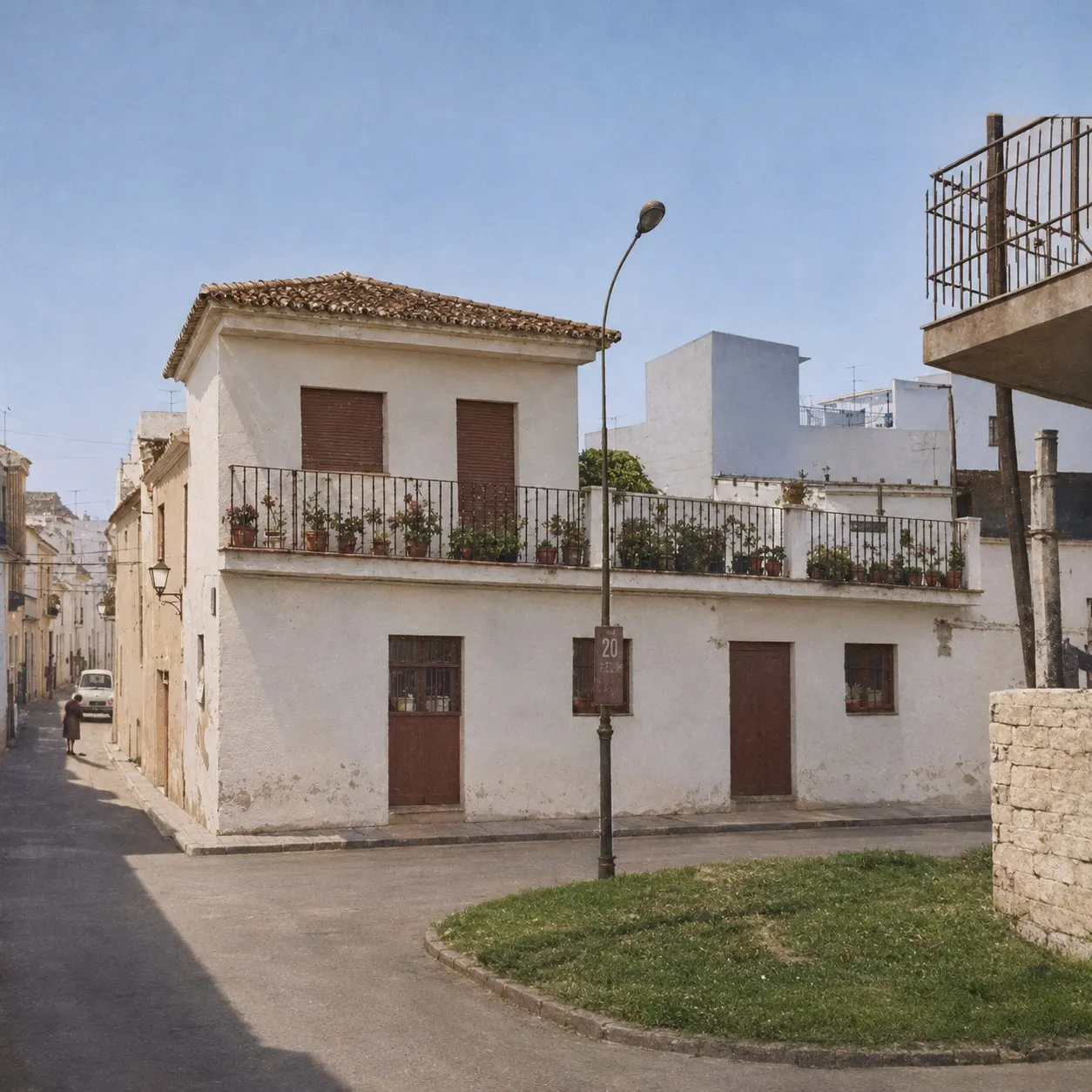
Estepona was then a town that lived off the sea and the land, and calle Terraza was its street. Francisco Galán Palma had just turned eighteen. He had a modest bodega, a quiet door right in the centre and an idea that did not yet sound like a business: that a bar can be the place where a town meets. A bodega, back then, was just that: wine, conversation and someone behind the bar who knew everyone’s name.
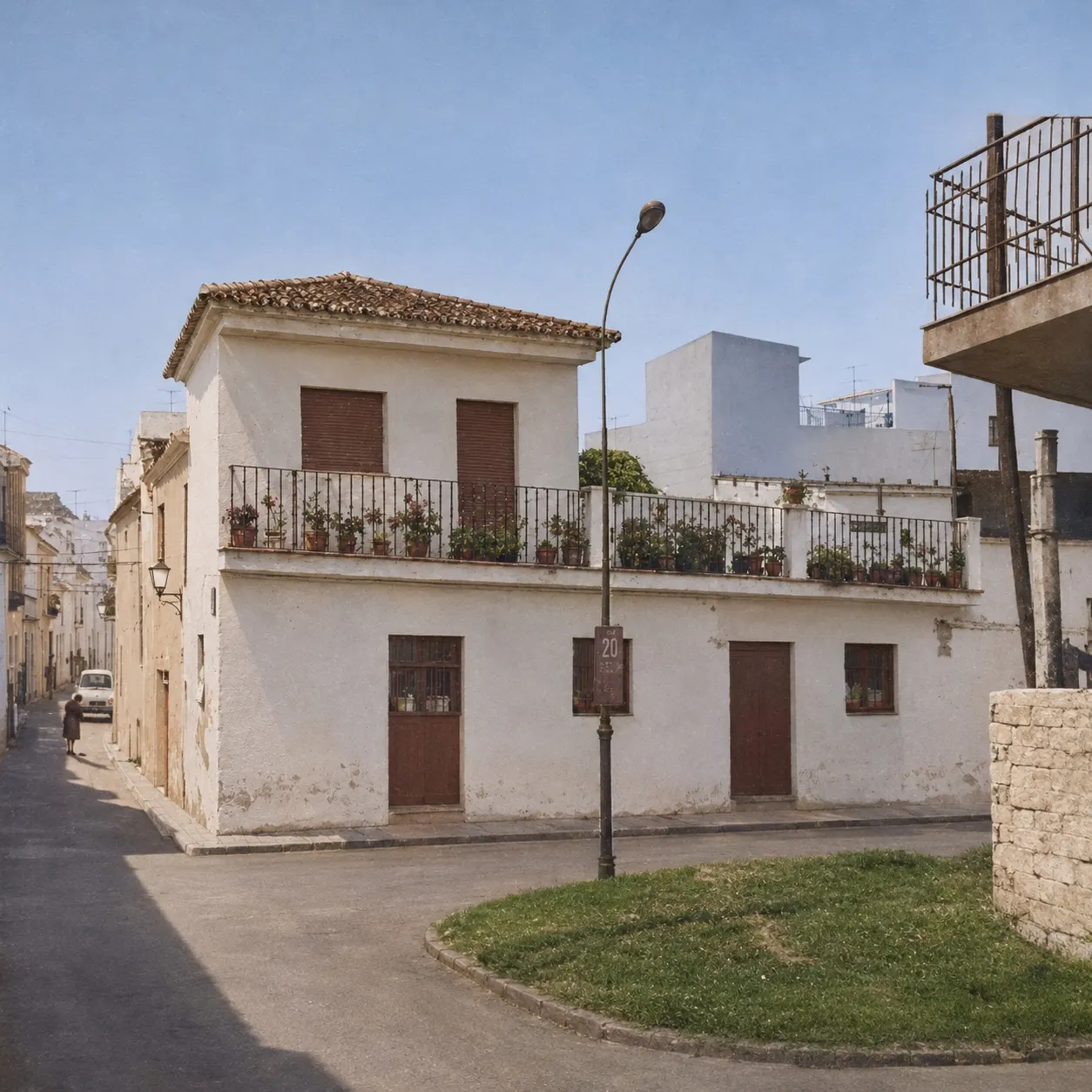
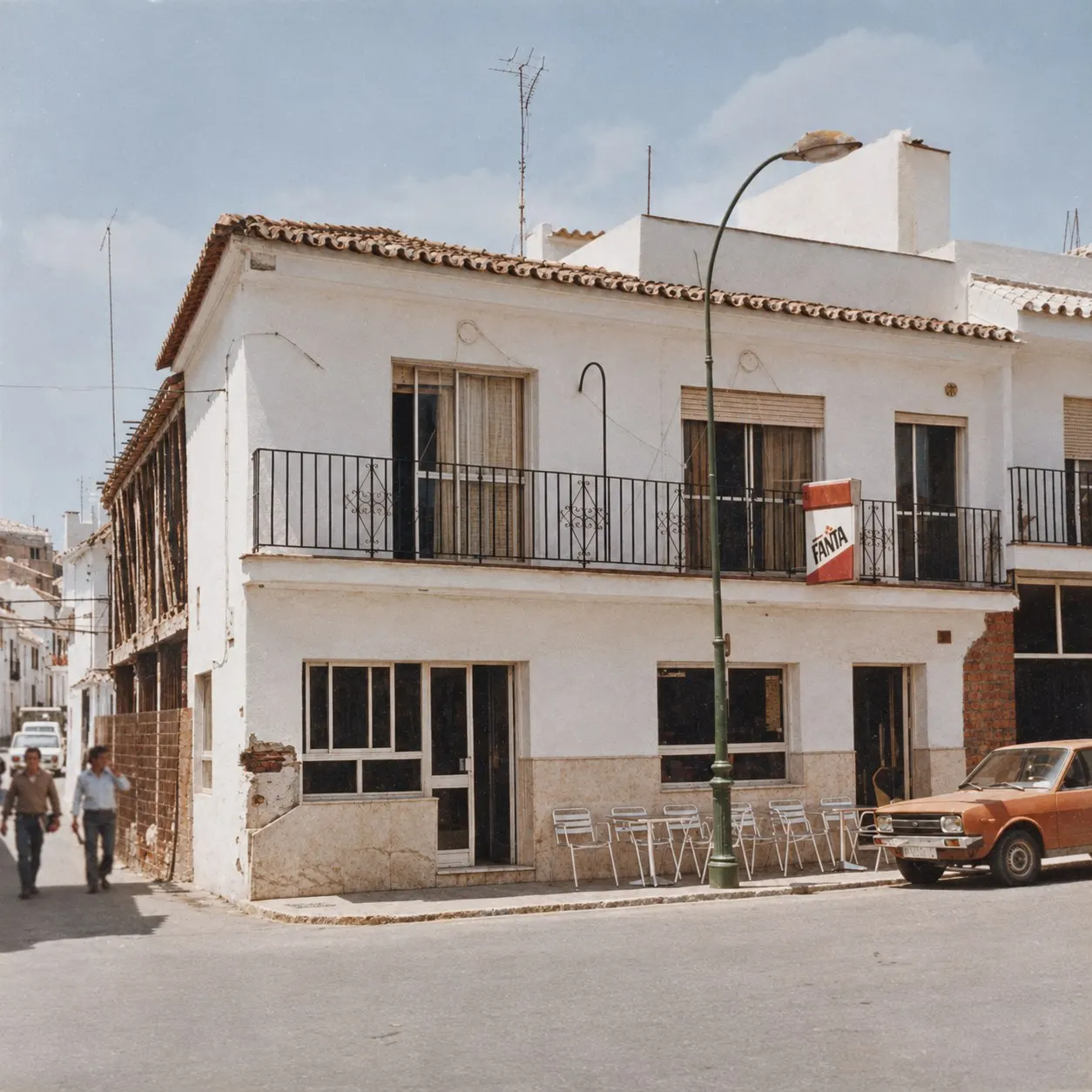
A mother’s name.
He called it La Palma after María Palma Márquez, his mother. It was not a branding decision; it was a son’s gesture. Maybe that is why the name has aged so well: it still sounds like home. Today, when someone in Estepona says “see you at La Palma”, they are unknowingly saying the surname of a woman who never asked for anything to be named after her.
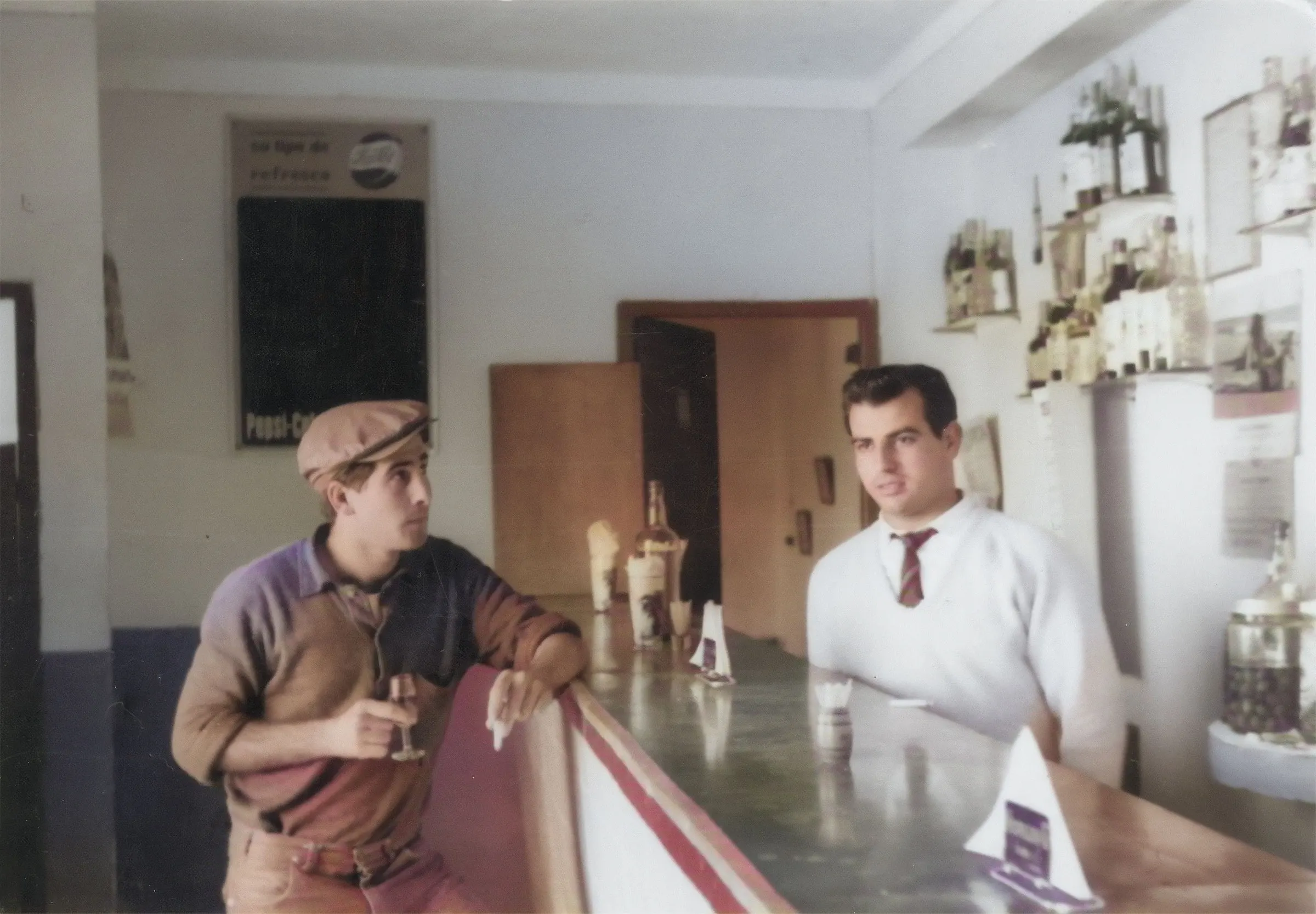
The bar where the day began.
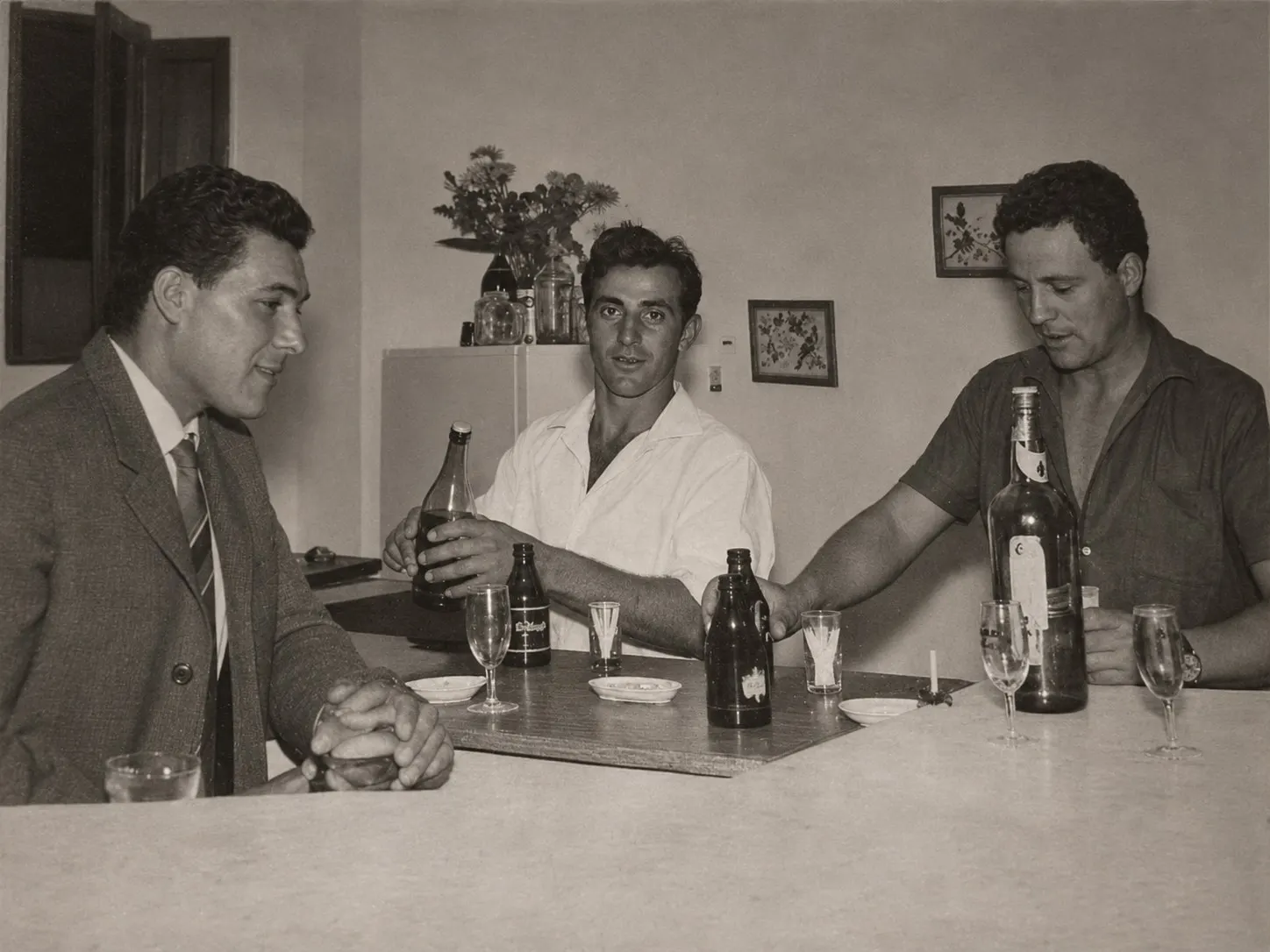
For years, the bar at La Palma was the heart of the town before the town woke up. By seven the day labourers were already waiting for a crew, the bosses looking for hands, the brokers and letting agents closing deals over a coffee and a handshake. Wages were agreed here, you heard who had been born and who had passed, and whatever needed signing was signed with an elbow on the counter. There was no notice board: there was the bar.
The crowd is different today, but the gesture is the same. Those who come in at seven still come in at seven, and “see you at La Palma” still works as a date and an address.
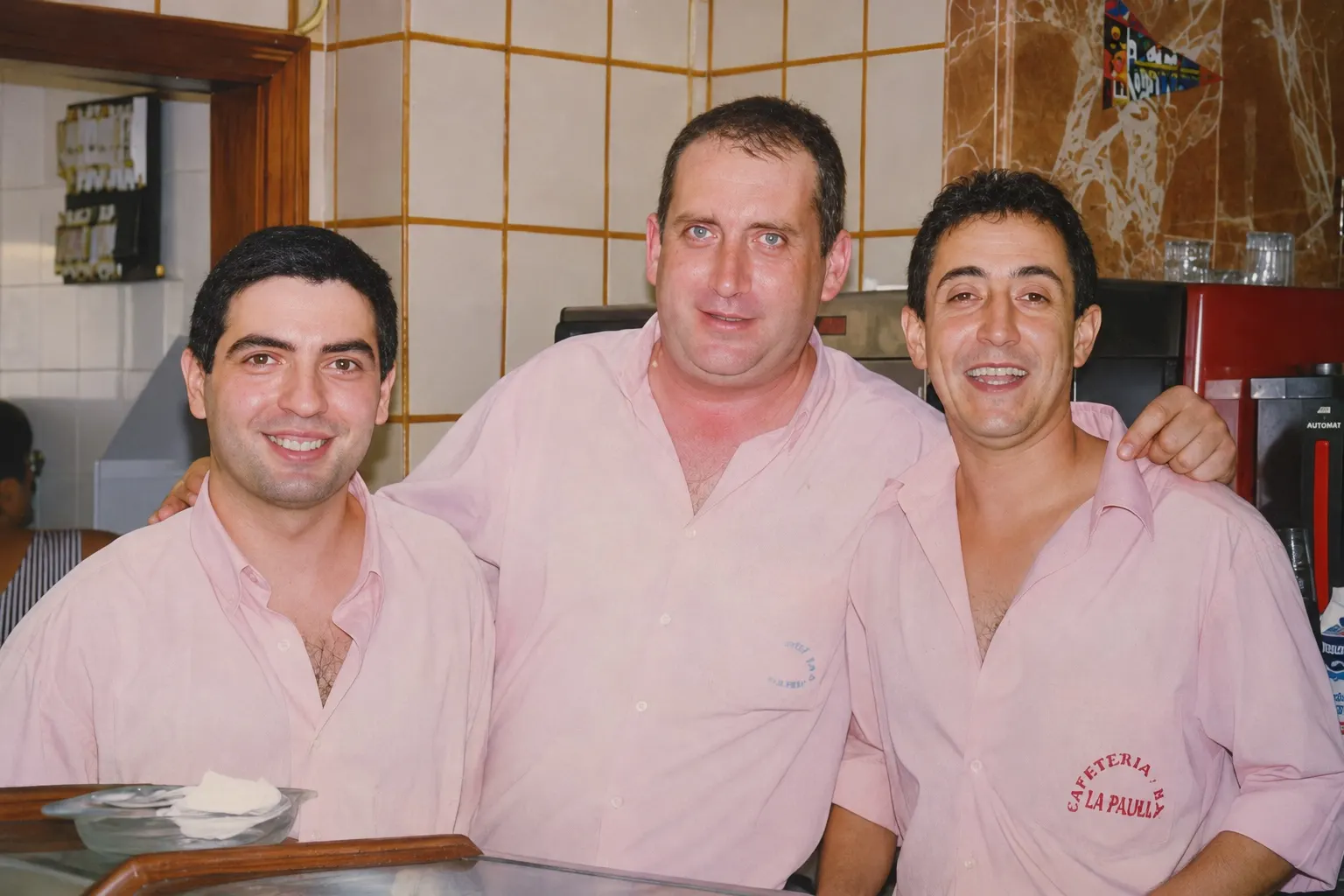
Víctor, Francisco and Valentín.
A bar is the person who opens it and the people who hold it up. For years, Víctor, Francisco and Valentín have been at the head of La Palma, and there are people in Estepona who cannot remember it without them: they served them the coffee on their first day of work and now serve their children’s. With them, the twenty people who make La Palma today, across the kitchen, the bar and the floor. They know who takes it cortado, who wants no ice and whose mother to ask after. No school teaches that: you learn it by staying.
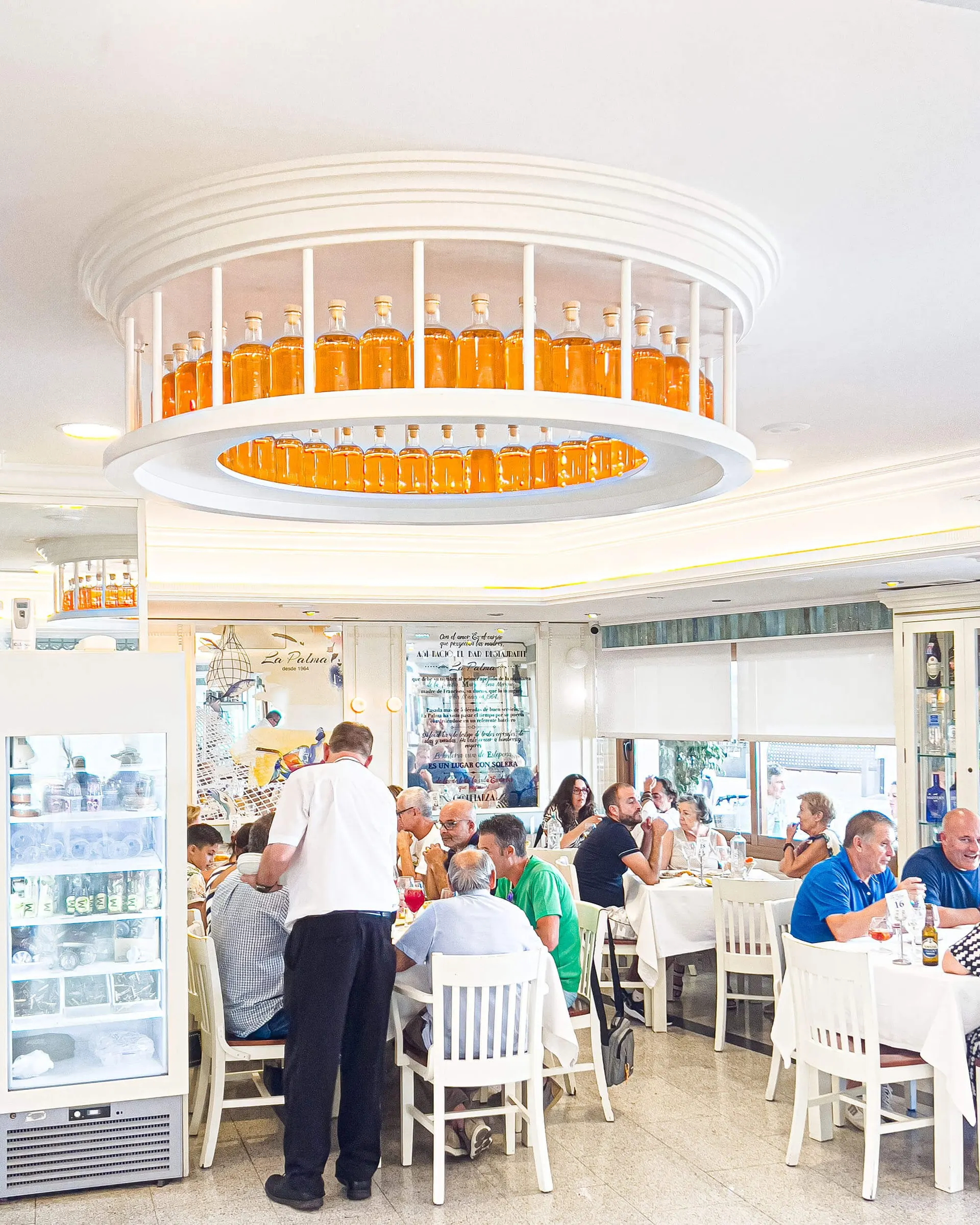
Cristina Galán. The third generation.
La Palma is now in its third generation. The first never served a table: that was María Palma, who gave the name. The second was Francisco, who gave everything else. The third is his daughter, Cristina Galán, who runs the house today, though she would rather not put it that way. For her, nobody here stands above anyone else: there is one family, the one that carries the surname and the one that carries the tray. Twenty people on the same level. That is how she tells it, and it shows.
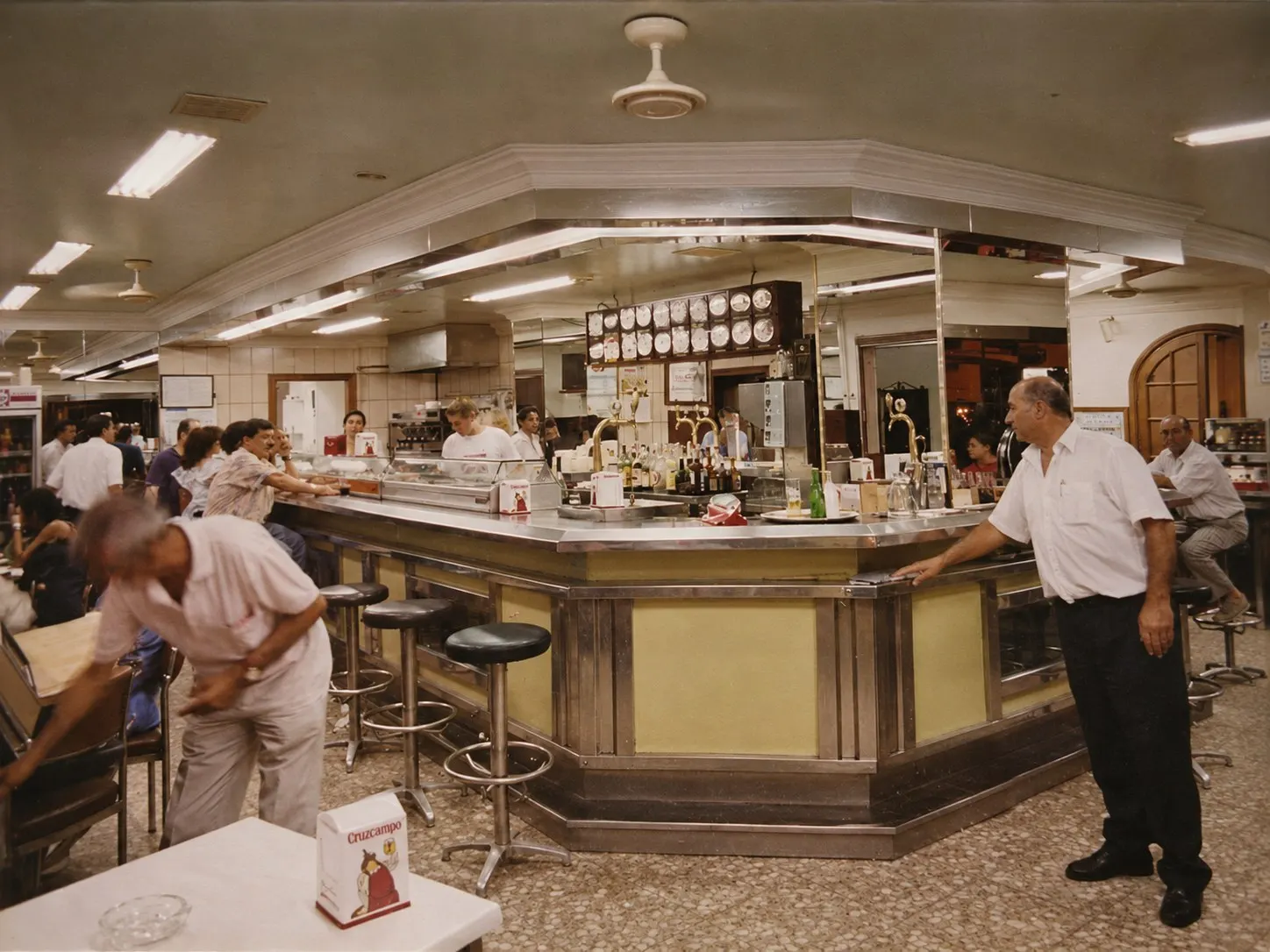
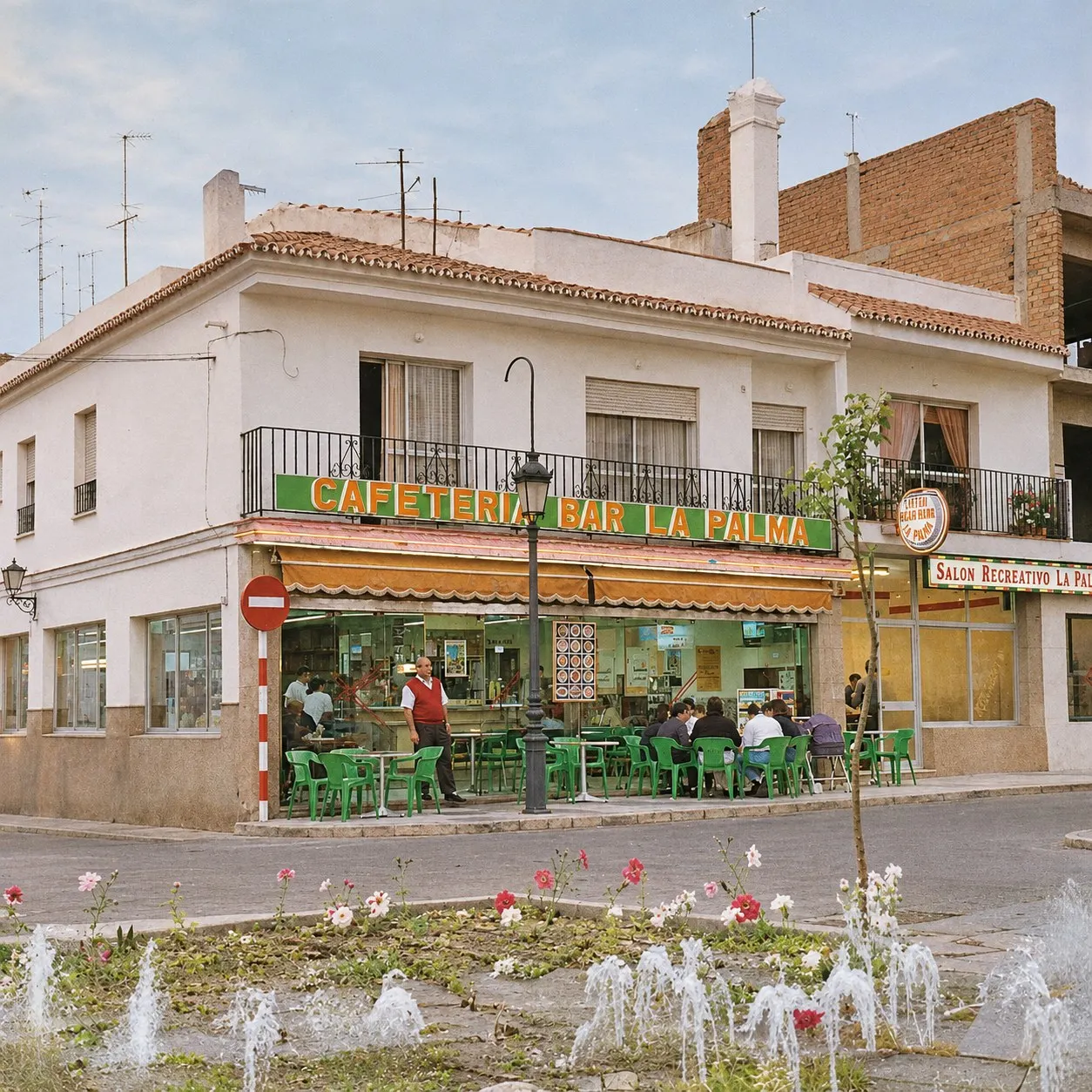
The new generation showed in nothing you could see. The display case kept filling every morning, the rice kept being started when ordered and the place kept opening at the same time. What did change was what was missing: high tables for a drink standing up, the way it is done here, and a terrace on Plaza del Huevo that for many is now the very picture of Estepona at lunchtime. The form changed. The house is the same.
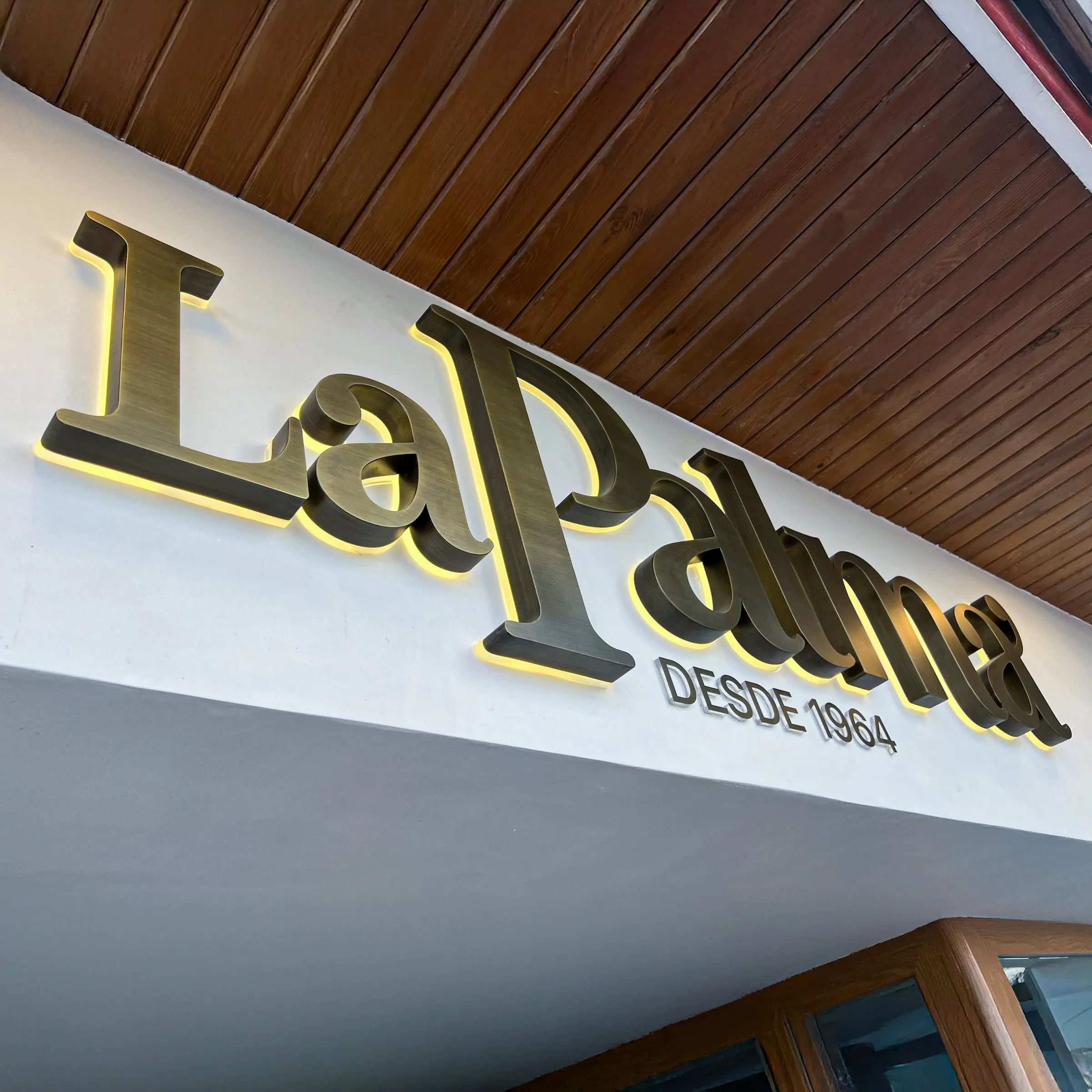
Sixty years.
In 2024 La Palma turned sixty. There was an award, from Cruzcampo, for a loyalty that began on the same day as the bar, and there was something worth more: the usual queue at lunchtime. Francisco put it best: “It is not just an award, it is a reflection of who we are, of all the care, effort and dedication we put in every day to give the best to everyone who walks through our doors.” And he added what anyone who has been here knows: if these walls could talk, they would tell hundreds of stories. They do not talk. But you can tell.
That same winter calle Terraza was pedestrianised and the terrace won the whole street. Sixty years on, the house finally has the square it deserved.
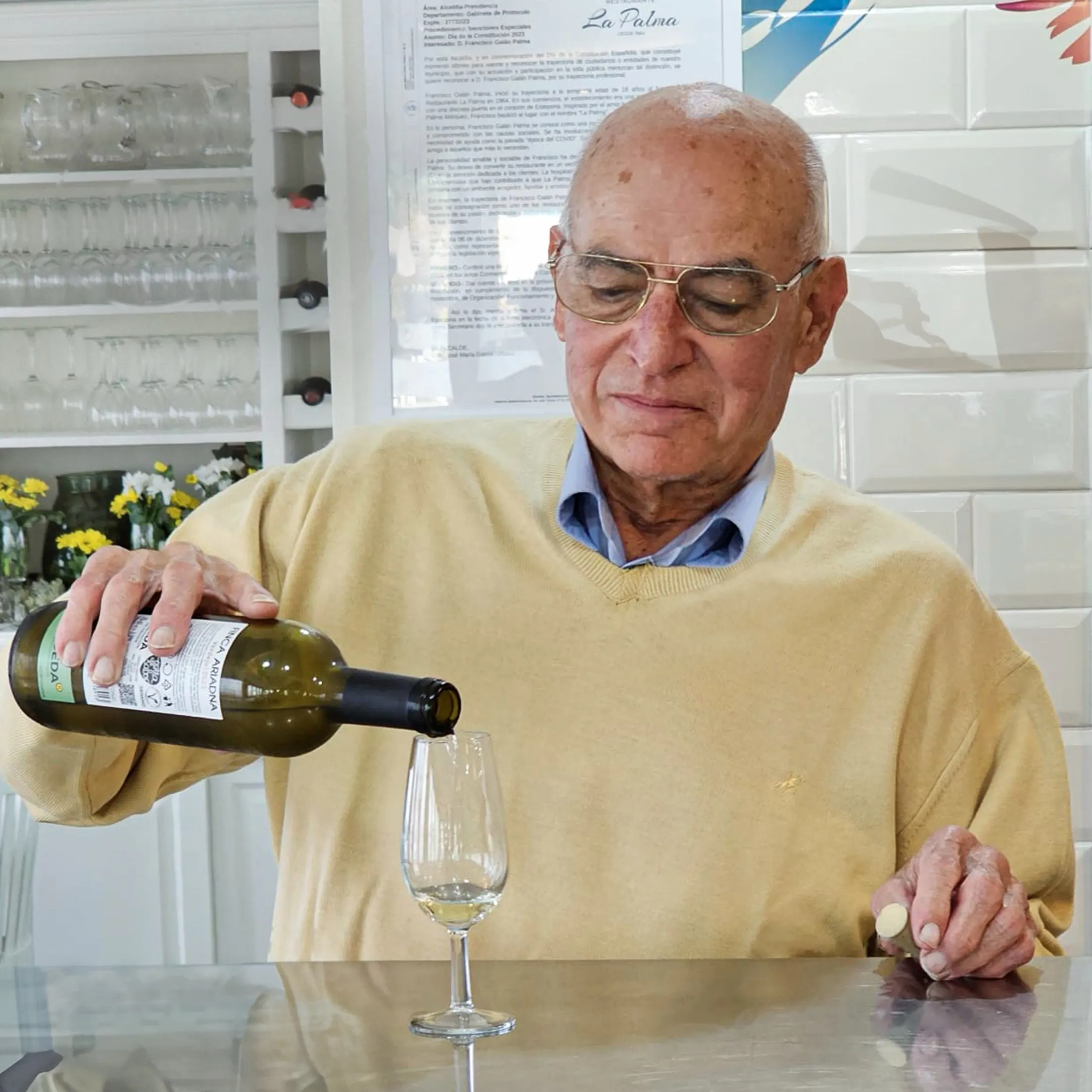
What does not change.
That the fish is bought every morning and shown in the display case, no small print. That the rice is started when you order it. That the morning coffee is the usual, with its bocadillo de carne mechá alongside. That an ice cream comes with the bill, in case the long lunch wanted a sweet ending. That we open at half past seven and close when the last guest leaves. And that nobody here is treated like a customer: they are treated like someone who has come back.
From the archive
Photos the family kept.
Paper prints, some sixty years old, cleaned up and restored so they look as they did the day they were taken.
Timeline
- 1964
Francisco Galán Palma, aged eighteen, opens a small bodega on calle Terraza and names it after his mother, María Palma Márquez.
- 1960s–80s
The bar works as the town’s job market: day labourers, bosses, brokers and agents meet here every morning.
- Over thirty years ago
Valentín joins the floor. He is still there.
- The third generation
Cristina Galán, Francisco’s daughter, takes over the house; with her come the high tables and the terrace on Plaza del Huevo.
- 2024
Sixty years. Cruzcampo award. Calle Terraza is pedestrianised.
- 2026
New menu, new website, the same house.
To Francisco Galán Palma, for leaving us the essence of La Palma and a unique way of understanding hospitality: with truth, warmth and heart.See the menu